Frameless sandwich panels that carry the load and block the heat — no skeleton, no thermal bridges, and a cool-down performance verified on a complete box body to GB 29753-2013.

0.03
W/(m·K) thermal conductivity of the core
0.45%
water absorption, so insulation value holds
0.9 MPa
≈ 90 t/m² compressive load — no skeleton needed
2 h 16 min
+20°C to −20°C cool-down (standard allows 4 h)
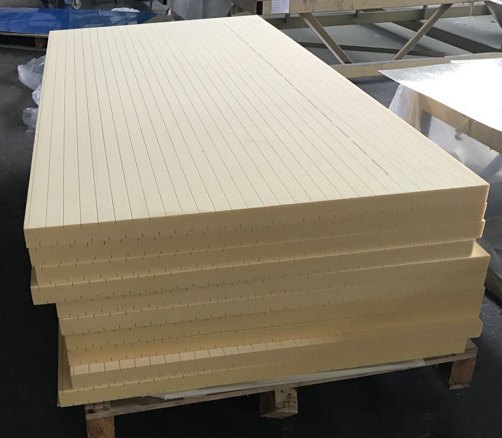
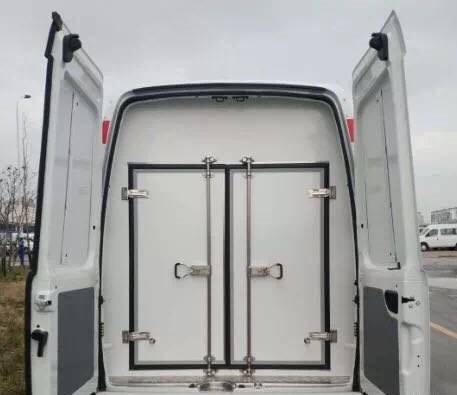
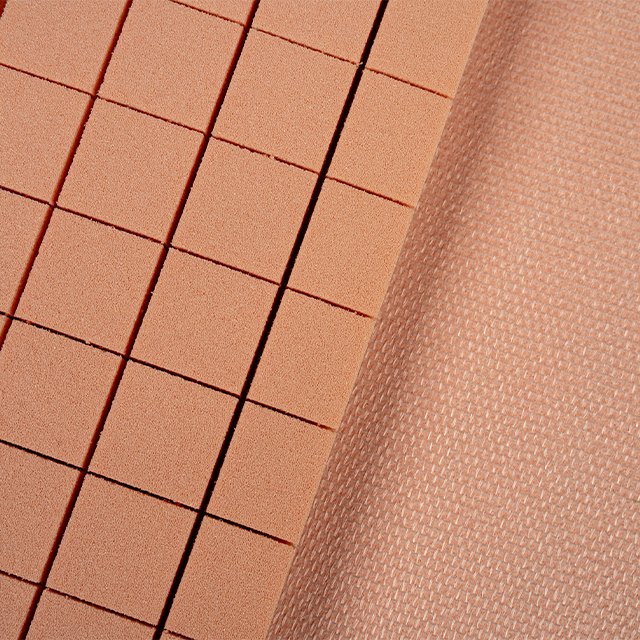
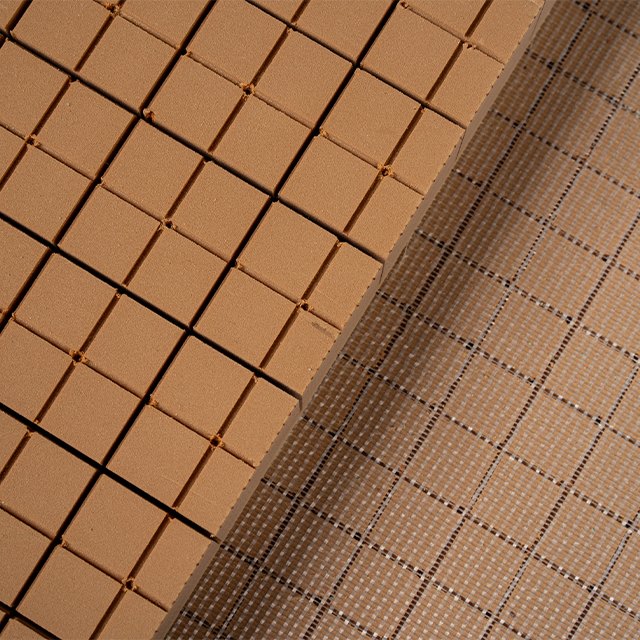
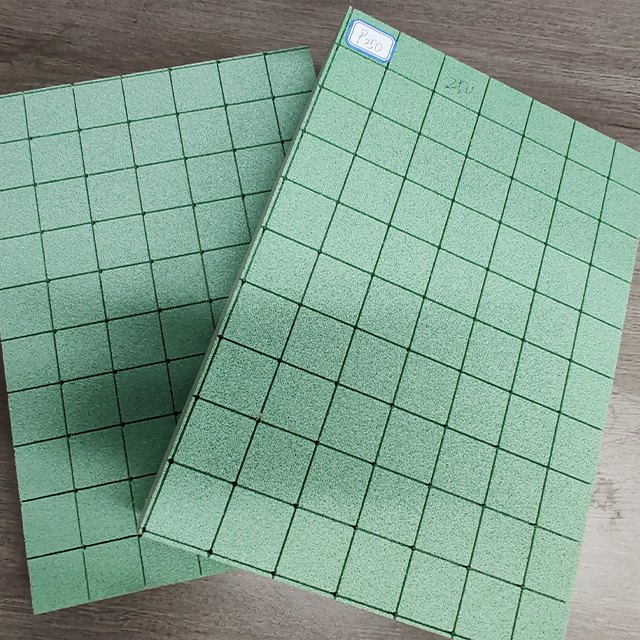
UNION COMPOSITES manufactures structural PVC foam core for refrigerated vehicle bodies, mobile cold rooms and insulated containers. The core is supplied as boards from 45 to 300 kg/m³ and is chosen by the load it has to carry: P60 for walls and roofs, P80 behind fixings, P100 for floors and chassis interfaces. Because the foam is closed-cell and structural at the same time, the panel it creates is the body's structure, its insulation and its vapour barrier in one layer.
The same core platform is used across transport and industrial applications where insulation and structure have to come from one material. Cold chain is the fastest-growing of them, but the material behaviour that makes refrigerated bodies work is equally useful elsewhere:
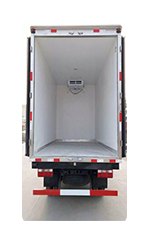
Refrigerated vehicles

Motorhomes & mobile rooms

Rail vehicle bodies

Wind turbine blades

Marine hulls & decks
A refrigerated body is a box that must hold a temperature while carrying load and surviving the road. Insulation alone does not achieve that: the material between the skins also has to transfer shear, resist local compression at fixings, and stop the panel from oil-canning when the vehicle flexes. This is the difference between a filling and a structural core.
Any high-conductivity member crossing the insulation layer creates a thermal bridge, and a single bridge can dominate the heat flow of a whole panel. Comparing the same nominal thickness against PVC structural foam:
| Material in the wall section | Relative conductivity | Consequence in service |
|---|---|---|
| PVC structural foam core | 1× — 0.03 W/(m·K) | Reference performance; no separate thermal break needed |
| Wood skeleton | ≈ 8× | Loss of insulation at every stud; wood rots in wet service |
| Steel skeleton | ≈ 200× | Strong local heat path; condensation on the cold face |
| Aluminium skeleton | ≈ 8000× | Requires an engineered thermal break, or the frame becomes the coldest path |
"Insulation value is limited by the weakest path through the wall section, not by the average: one high-conductivity member crossing the core can dominate the heat flow of the whole panel."
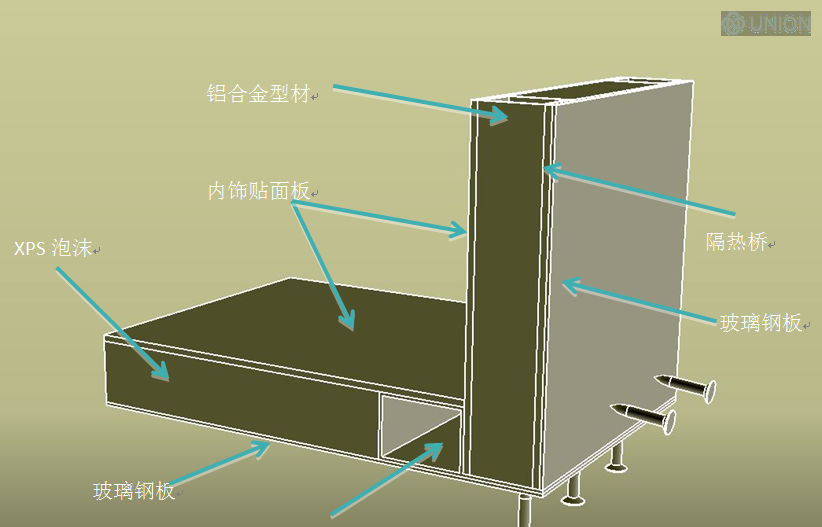
Extruded polystyrene (XPS) is cheap, insulates well and is easy to handle, but its mechanical performance is too low to act as a structural core. An XPS wall panel is therefore built as skin + XPS + skin and then carried by a metal or timber skeleton, with panels joined to that skeleton by self-tapping screws and a separate thermal break added where the frame crosses the wall. Replace the XPS filling with a structural PVC foam core and the skeleton disappears: the panel becomes the structure, side walls are bolted directly to the chassis, roof and walls are bonded with corner aluminium profile, and the thermal break is no longer needed because nothing conductive crosses the insulation.
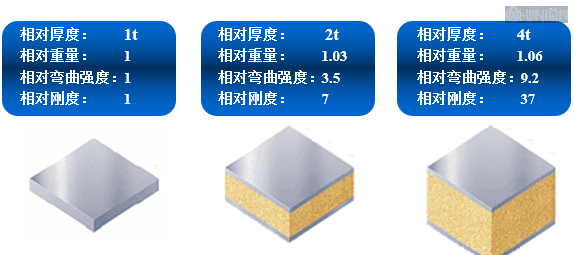
The three-core comparison below shows why the choice of core decides the construction method. XPS, PU and cross-linked PVC foam are compared on relative density, cost, compressive strength, shear strength and peel strength: the first two are shown as insulants, the last as a core that can also be the structure.
Six places where the core material decides whether the body works. Each point below lists the products we recommend, the specification to design to, and the advantage it buys in service.
1 · Side Walls and Roof Panels
2 · Floor and Ventilation Channels
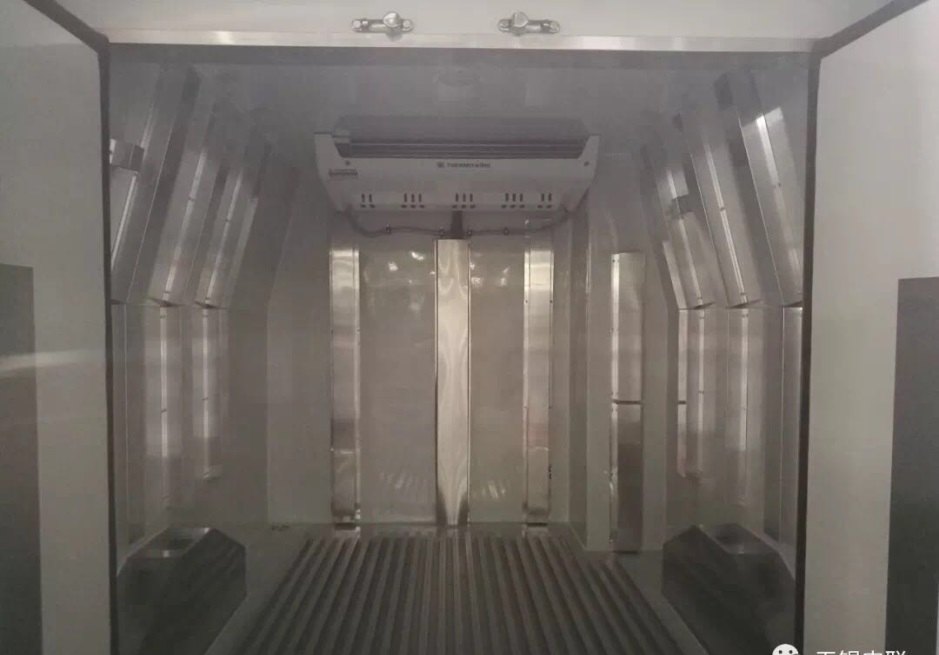
3 · Refrigerated Doors and Sealing
4 · Panel-to-Frame Interface and Thermal Breaks
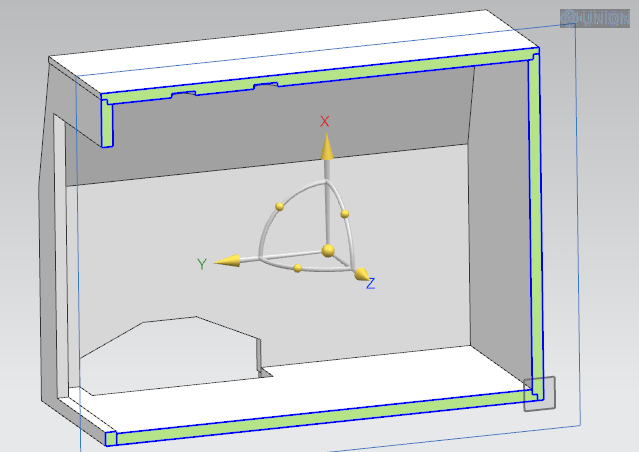
5 · Pharmaceutical and Vaccine Transport
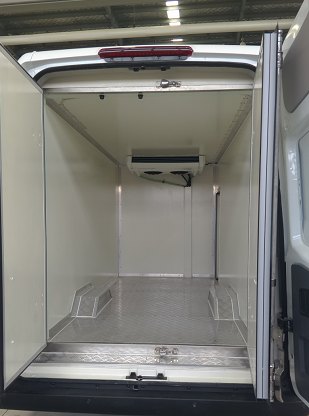
6 · Cold Rooms, Mobile Cold Rooms and Insulated Containers
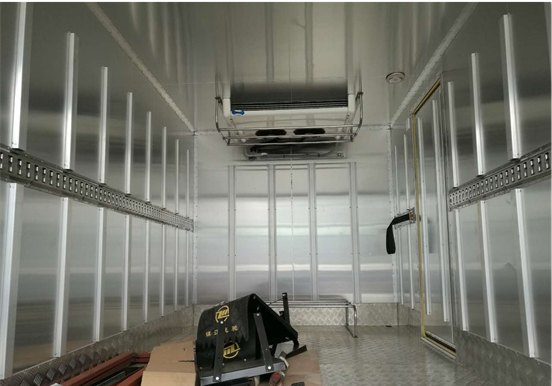
Every cold chain panel is the same three-part idea: two skins, one structural core, and a bond line that keeps them working together. Reading the layers in order explains why the core cannot simply be swapped for a cheaper filling.
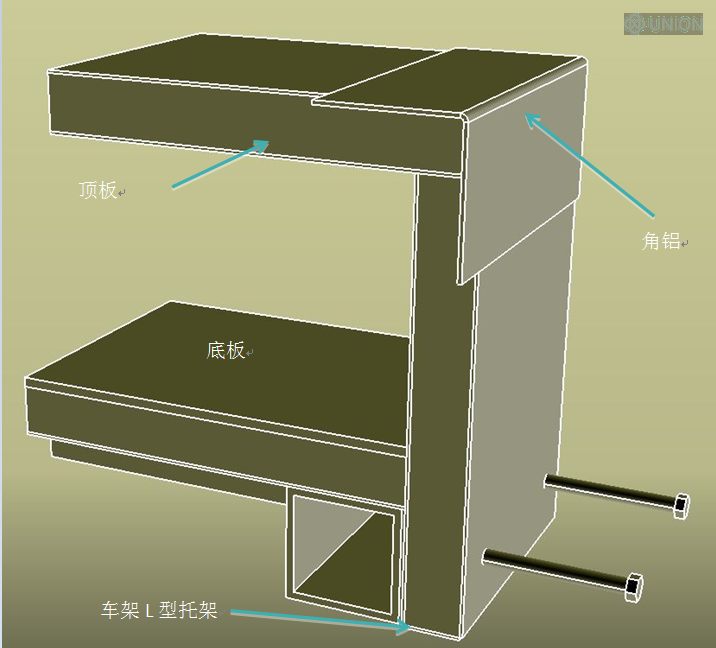
Both approaches insulate; only one of them is also the structure. The comparison below covers the criteria that decide lifecycle cost in refrigerated transport.
| Criterion | XPS panel with metal or wood skeleton | PVC structural foam core, frameless |
|---|---|---|
| Core function | Filling only — not load bearing | Structural: shear, bending, local compression |
| Skeleton | Required; its positions fix the internal layout | None — the panel is the structure |
| Thermal bridges | At every stud or rib; extra thermal break often needed | Not created by the core; no separate break required |
| Joint method | Self-tapping screws into the frame | Adhesive plus corner aluminium profile; bolted at the chassis |
| Moisture behaviour | Timber rots; steel ribs condense | Closed-cell core, 0.45% water absorption, does not rot |
| Layout changes | Skeleton redesign required | Panels re-machinable; interior free to change |
| Repair | Damaged frame members replaced | Cut out, fill with the same foam, re-seal on site |
| Upfront material cost | Lower | Higher material cost, offset by fewer parts and less labour |
| Lifecycle cost | Higher energy use; moisture damage over time | Stable insulation value, less maintenance, longer panel life |
| Thermal & moisture | Value |
|---|---|
| Thermal conductivity | 0.03 W/(m·K) |
| Water absorption | 0.45% |
| Water vapour permeability | 0.13 ng/(m·s·Pa) |
| Closed-cell content | above 95% |
| Service temperature | −50°C to +80°C |
| Mechanical & compliance | Value / standard |
|---|---|
| Compressive strength (top grade) | 0.9 MPa ≈ 90 t/m² |
| Density range | 45–300 kg/m³ (P45–P300) |
| Flammability of interior materials | GB 8410-2006 |
| Sound insulation | GB/T 18696.2-2002 |
| Indoor air quality | GB/T 18883 |
| Quality system | ISO 9001, DNV, ASTM test methods |
Boards are supplied in plain, grooved, perforated and double-cut formats, with sanded faces for bonding, and can be produced to fixed sizes so that cutting waste on the line is minimal. Panels for static installations follow the same specification logic as building insulation foam; where closed-cell content and moisture behaviour are the deciding factors, the specification notes on closed-cell PVC foam specifications set out what to verify.
"Every batch is released against measured properties rather than nominal ones: 0.03 W/(m·K) thermal conductivity, 0.45% water absorption, above 95% closed-cell content and compressive strength up to 0.9 MPa — the four figures cold chain designers verify first."
Insulation claims are only credible when they are measured on a finished box body. A 50 mm PVC structural foam box was tested to GB 29753-2013, the Chinese standard for refrigerated vehicles, at roughly 30°C ambient with the vehicle at idle and two interior temperature sensors logging continuously.
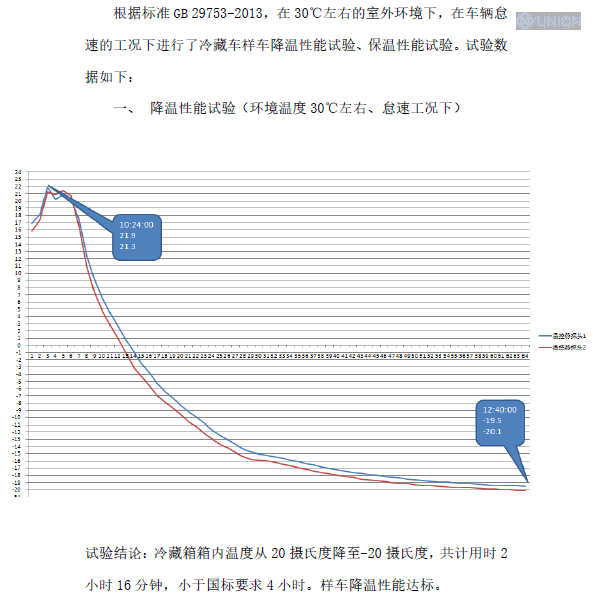
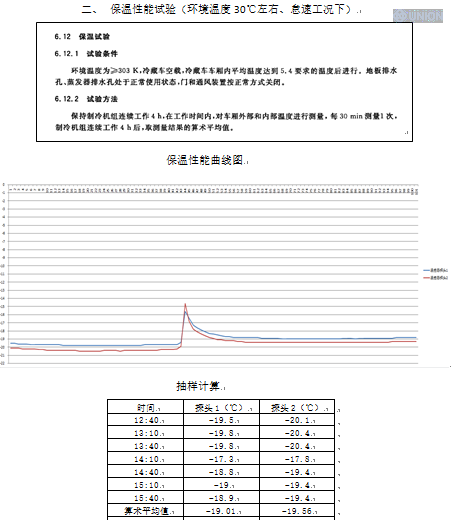
2 h 16 min
measured cool-down vs 4 h requirement
57%
of the allowed cool-down time used
50 mm
core thickness of the tested body
2 points
interior sensors, closely matched
Because the body reached target temperature in roughly 57% of the permitted time, the refrigeration unit is not working at its limit — a direct benefit for energy consumption, compressor life, and the ability to recover temperature quickly after door openings.
A frameless body is quick to build because there is nothing to fabricate inside the wall. Panels arrive cut to size and are bonded and mechanically fixed at the joints; the box closes with adhesive and fasteners rather than a skeleton. On the line this removes several operations a framed body requires.
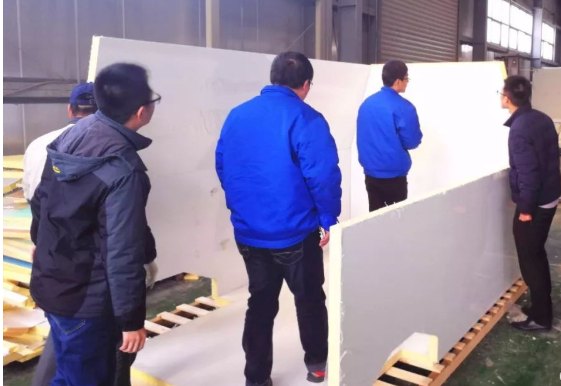
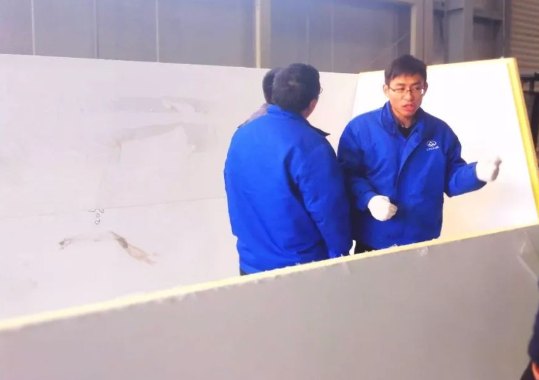
Repair follows the same logic: a damaged area is cut back, filled with the same foam, then re-bonded and sealed. Because the material machines like timber, grooving for a new ventilation channel or drilling for a new fixing point is a practical on-vehicle job.
Six grades cover the great majority of refrigerated body, cold room and container work. Click a grade to open its datasheet — boards are supplied plain, or grooved, perforated and double-cut for resin flow, with sanded faces for bonding.
One-stop material supply
Core, skins advice, adhesives and panel details from a single supplier — the 45–300 kg/m³ range covers every zone of a body.
Engineering support
Grade selection by load, panel thickness by target U-value, and board formats matched to your cutting programme.
Quality and documentation
ISO 9001 production with batch records, DNV and ASTM test methods, and declarations issued with the material for your audit file.
Cost control
No minimum order on standard grades, free A4 samples for validation panels, and fixed board sizes that reduce cutting waste.
"Cold chain projects are audited projects: ISO 9001 quality management, batch-level test records and full traceability from raw material to delivered board, with DNV certification available for transport duty."
Most chilled and frozen distribution bodies use 40–80 mm, with 50 mm the common starting point; deep-frozen and pharmaceutical bodies move towards 60–80 mm. Thickness follows from the target U-value — which is set by the core's 0.03 W/(m·K) — and from the panel stiffness required, since thinner panels need a denser core to keep stiffness.
Yes, when the core is a structural grade rather than an insulation-grade filling. With compressive strength up to 0.9 MPa — about 90 t/m² — the panel carries shear and local compression itself, so walls bolt directly to the chassis and joints close with corner aluminium profile. The result is a frameless body with no thermal bridge inside the wall.
XPS insulates well and costs less per cubic metre, but it is not structural, so it must be carried by a frame — which reintroduces thermal bridges and freezes the internal layout. Structural PVC foam costs more as a material, yet removes the frame, the thermal break and several assembly steps, and holds its insulation value because water absorption is 0.45% and more than 95% of cells are closed.
Insulation falls only if water replaces air in the foam. Closed-cell PVC foam resists this: water absorption is 0.45% and vapour permeability is 0.13 ng/(m·s·Pa). Performance then depends on keeping skins and bond lines intact, which is why frameless body joints are adhesive-sealed rather than screwed.
Match the grade to the local load. P60 is normally enough for walls, roofs and door leaves; P80 suits general panel cores, door apertures and fixing zones; P100 is the usual choice for floors and chassis interfaces where point loads and bolt pre-load are highest. Using one grade throughout is convenient but wastes weight or strength.
Through air movement rather than insulation alone. Bodies normally use a rectangular ventilation channel floor with matching side wall channels, so cold air is distributed under and around the load and returns evenly. In the cool-down test on a 50 mm PVC foam body, two interior sensors tracked within a narrow band.
Yes. PVC structural foam cuts, grooves, drills and shapes with normal woodworking equipment. Damage is repaired by cutting back, filling with the same core and re-sealing, and internal layouts change by machining new fixing points — useful for fleets that later add racking or ventilation.
Refrigerated vehicle performance is normally verified to GB 29753-2013, which defines the cool-down and holding tests. Panel systems built on our cores have also been tested for flammability of interior materials (GB 8410-2006), sound insulation (GB/T 18696.2-2002) and indoor air quality (GB/T 18883); the cores themselves are produced under ISO 9001 with DNV and ASTM-based methods available.